Non-Standard Automatic Hoist is a customized vertical lifting device, widely used in automated production lines, logistics conveying and workstation lifting. Drive types include chain, servo screw, cylinder and hydraulic; the platform can dock with roller, belt and transfer mechanisms. It is only used for conveying workpieces and materials — **carrying people is strictly prohibited**.
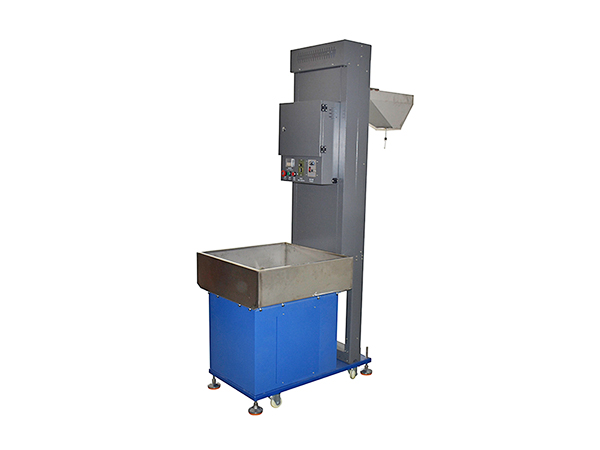
So, do you know the common fault symptoms and causes of non-standard automatic hoists?
1. Lifting Jitter, Creeping
Guide rails lack lubrication; guide sliders are worn with excessive clearance; chain tension is inconsistent; servo parameters do not match; air supply pressure fluctuates.
Add lubrication; adjust chain tension; service the sliders; optimize the servo PID.
2. Platform Not in Position Accurately, Positioning Deviation
Sensor is loose or displaced; chain has stretched; screw clearance has increased; servo origin lost.
Recalibrate the origin; tighten the sensor; check transmission parts for wear.
3. Platform Sinks After Stopping (Load Slip)
Motor brake worn and ineffective; slack chain; internal leakage in hydraulic valve; cylinder check valve failure.
Service the brake; check the balance valve on hydraulic systems; check the pressure-holding circuit on cylinders; production must be stopped when load slip occurs.
4. Abnormal Noise, Loud Sound
Chains lack oil, sprockets worn; guide rail sliders damaged; reducer gears worn; coupling damaged.
5. Stops Mid-Lift, Overload Alarm
Actual load exceeds rated value; increased resistance from mechanical jamming; incorrect overload parameter settings.
Check for mechanical jamming — do not simply shield the overload protection.
6. Anti-Fall Mechanism Triggered and Locked, Unable to Move
Excessive chain elongation; anti-fall mechanism jammed; the root cause must be investigated — forcibly bypassing the anti-fall device is prohibited.







 Chinese Version
 English version